What Are Digital Solutions and How Can They Help Your Business Scale?

1. Introduction
Adopting comprehensive digital solutions plus modern technology frameworks enables growing businesses to streamline operations and expand market reach predictably. As traditional business models face increased competition and shifting consumer expectations, relying on manual processes or fragmented tools creates severe growth bottlenecks. Today, scaling your business requires a unified digital approach that connects customer acquisition, web experiences, and operational workflows. Leveraging comprehensive digital business solutions allows organizations to build scalable systems that drive sustained profitability.
2. What Are Digital Solutions?
Digital solutions refer to the strategic integration of software applications, web technologies, data analytics, and online marketing channels to solve core business challenges. Rather than treating technology as individual standalone tools, modern digital solutions unite digital channels into a cohesive growth engine.
These solutions enable businesses to automate routine tasks, capture valuable operational data, and deliver seamless interactions across every customer touchpoint.
Key objectives of modern digital solutions include:
- Process Automation: Eliminating manual data entry and repetitive workflows to lower administrative costs.
- Customer Acquisition: Utilizing search engines, content, and paid advertising to attract high-intent buyers continuously.
- Enhanced User Experience: Building fast, intuitive digital interfaces that convert casual visitors into loyal clients.
- Data-Driven Decision Making: Leveraging real-time analytics to optimize resource allocation and strategic investments.
By modernizing core systems, businesses transition from reactive problem-solving to proactive, scalable growth.
3. Core Types of Digital Solutions for Modern Businesses
To scale effectively, companies must implement solutions tailored to their specific industry requirements and operational goals.
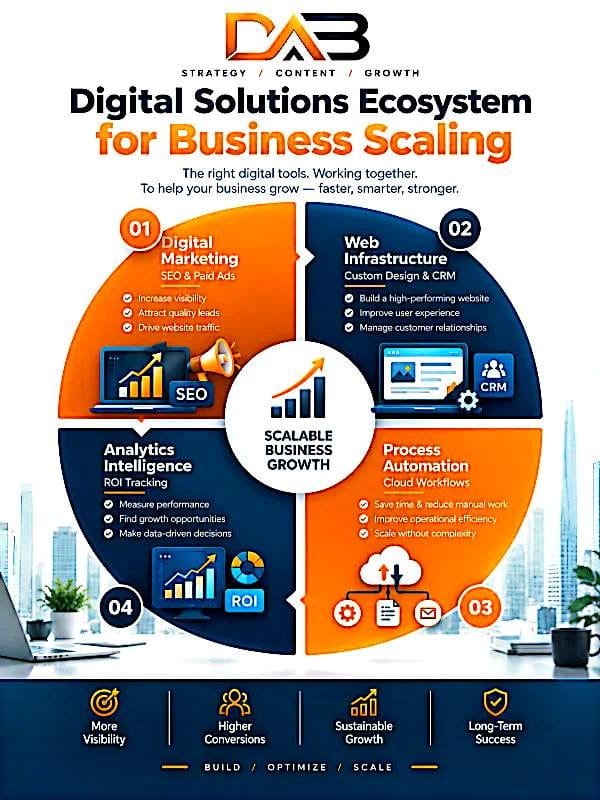
The primary categories of digital business solutions include:
- Digital Marketing & Search Visibility: Search Engine Optimization (SEO), Pay-Per-Click (PPC) advertising, and social media campaigns that generate consistent inbound leads.
- Web Design & Application Development: High-performance websites and custom web applications optimized for conversion, usability, and speed.
- Customer Relationship Management (CRM): Centralized platforms that track customer interactions, manage sales pipelines, and improve account retention.
- Cloud Infrastructure & Process Automation: Scalable cloud platforms that support remote collaboration, secure data storage, and automated business workflows.
Combining web infrastructure with professional web design and development ensures your brand creates a powerful first impression that drives measurable conversions.
4. How Digital Solutions Help Your Business Scale
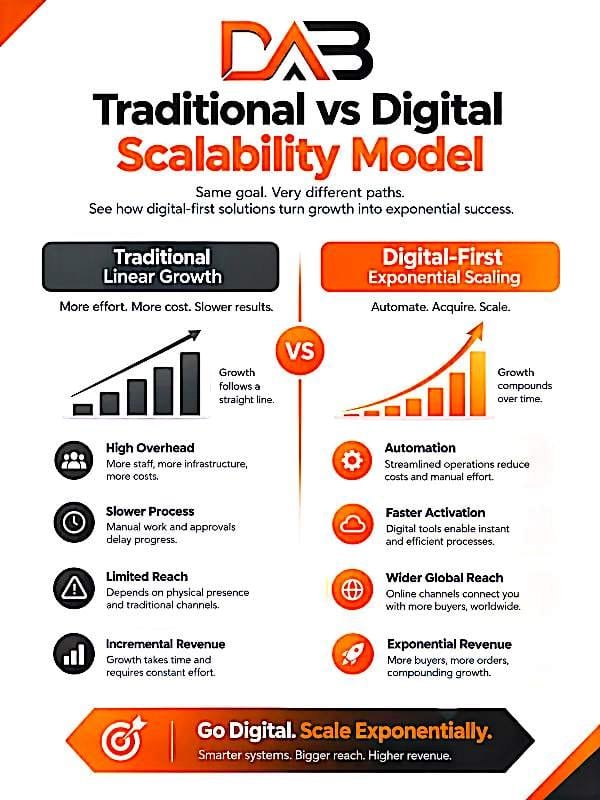
Scaling a business means growing revenue at a faster rate than operating costs. Without digital infrastructure, expanding your client base usually requires adding proportional staff and overhead, limiting profit margins.
Digital solutions unlock non-linear growth through efficiency and market reach:
- Unlocking Geographical Expansion: Digital channels allow businesses to reach regional, national, and global markets without opening physical branch locations.
- Lowering Customer Acquisition Costs (CAC): Targeted search and content marketing attract qualified leads at a fraction of traditional outbound sales costs.
- Improving Operational Speed: Automated invoicing, inventory sync, and client onboarding reduce service delivery turnaround times.
- Maximizing Customer Lifetime Value (LTV): Automated email workflows and retargeting campaigns keep existing clients engaged, increasing repeat sales.
Implementing end-to-end digital growth solutions transforms your business into an agile, highly competitive market leader.
Business Scalability Comparison
| Growth Metric | Traditional Model | Digital-First Model | Impact on Business |
|---|---|---|---|
| Market Reach | Limited to local coverage | Global online accessibility | Exponential customer base growth |
| Lead Generation | Manual networking & print | Automated organic & paid channels | Consistent inbound lead flow |
| Service Speed | Manual labor hours | Automated workflows & self-service | Faster turnaround with fewer errors |
| Data Visibility | Delayed monthly reporting | Real-time interactive dashboards | Immediate campaign & cost optimization |
5. Key Components of an Effective Digital Growth Strategy
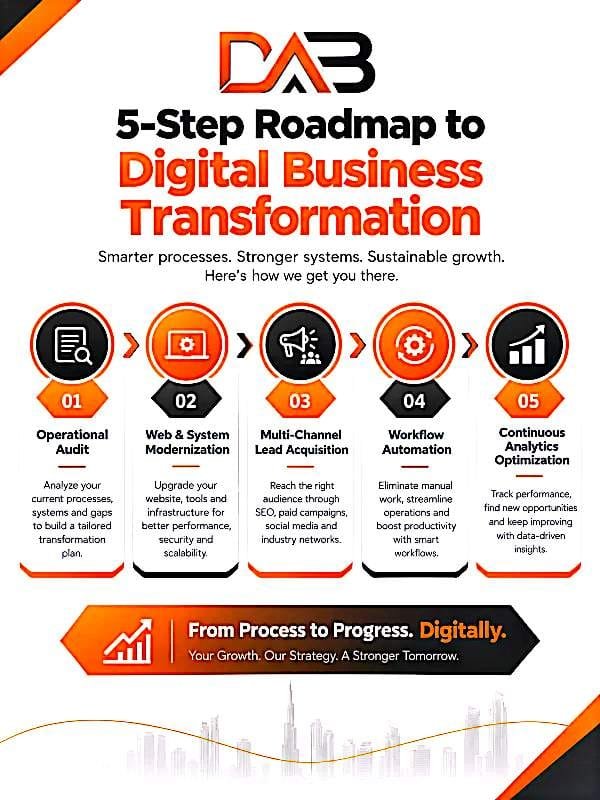
Implementing digital solutions requires an intentional roadmap to ensure maximum return on investment.
Essential components of a successful digital growth engine include:
- Search Engine Optimization (SEO): Aligning your web assets with buyer search intent using specialized SEO services to capture continuous organic search traffic.
- High-Converting Web Architecture: Ensuring fast page speed, mobile responsiveness, and clear calls-to-action that capture user interest.
- Performance Paid Media: Utilizing targeted PPC management campaigns to generate immediate, high-intent lead volume.
- Inbound Content Marketing: Educating prospective clients through authoritative articles, whitepapers, and guides supported by content marketing services.
- Automated Lead Nurturing: Deploying automated campaigns via email marketing services to convert leads into active account clients over time.
6. Overcoming Common Challenges in Digital Transformation
While the benefits of digital solutions are clear, businesses often encounter hurdles during implementation.
Common challenges and strategic solutions:
- Resistance to Change: Overcome team hesitation by providing clear training and highlighting how automation reduces tedious workloads.
- Tool Fragmentation: Avoid disjointed software setups by choosing integrated platforms that sync data seamlessly across departments.
- Unclear ROI Strategy: Partner with digital marketing experts who establish clear KPIs and transparent performance dashboards from day one.
Addressing these friction points early ensures a smooth digital transformation that delivers long-term organizational value.
7. Measuring the Success of Your Digital Solutions
To evaluate performance and guide future investments, monitor metrics that reflect genuine business growth.
Key performance indicators to track:
- Conversion Rate: The percentage of website visitors who complete a desired lead form, quote request, or purchase.
- Cost Per Acquisition (CPA): Total digital strategy spend divided by the number of acquired paying customers.
- Organic Search Traffic Growth: Incremental increase in high-intent prospective buyers visiting your website via search engines.
- Return on Ad Spend (ROAS): Revenue generated directly from paid digital advertising investments.
Regularly auditing these metrics ensures your digital ecosystem remains optimized for continuous revenue scaling.
8. Key Takeaways
- Digital solutions combine web software, automation, and digital marketing into a unified growth engine.
- Scaling efficiently requires growing revenue faster than operational overhead through automated workflows.
- Combining professional web design with targeted SEO and PPC creates a consistent lead generation pipeline.
- Clear KPIs and real-time performance tracking are essential for measuring digital marketing ROI.
- Partnering with full-service digital experts ensures seamless software integration and predictable market scaling.
9. Frequently Asked Questions (FAQs)
- What is the definition of digital solutions for businesses?
Digital solutions encompass integrated software systems, web platforms, and digital marketing strategies designed to automate workflows, attract buyers, and scale business operations. - How do digital solutions help a small business scale?
They allow small businesses to compete with larger organizations by automating customer acquisition, lowering operating costs, and reaching national audiences online. - What is the difference between digitization and digital transformation?
Digitization is converting physical information into digital formats, whereas digital transformation uses digital solutions to fundamentally improve business operations and customer experiences. - Which digital marketing channels offer the fastest growth for businesses?
Pay-Per-Click (PPC) ads deliver immediate targeted traffic, while Search Engine Optimization (SEO) provides the highest sustainable, long-term ROI. - Why is professional web design critical for digital business solutions?
Your website is your central digital sales hub; professional web design ensures fast performance, mobile compatibility, and optimal conversion rates for incoming leads. - How long does it take to see results from implementing digital solutions?
Paid advertising and web updates yield immediate improvements within weeks, while organic SEO and content marketing build compounding value over 3 to 6 months. - How can a business select the right digital solutions partner?
Choose a full-service provider with verified expertise across web design, SEO, paid media, and strategic growth modeling tailored to your specific industry goals.